
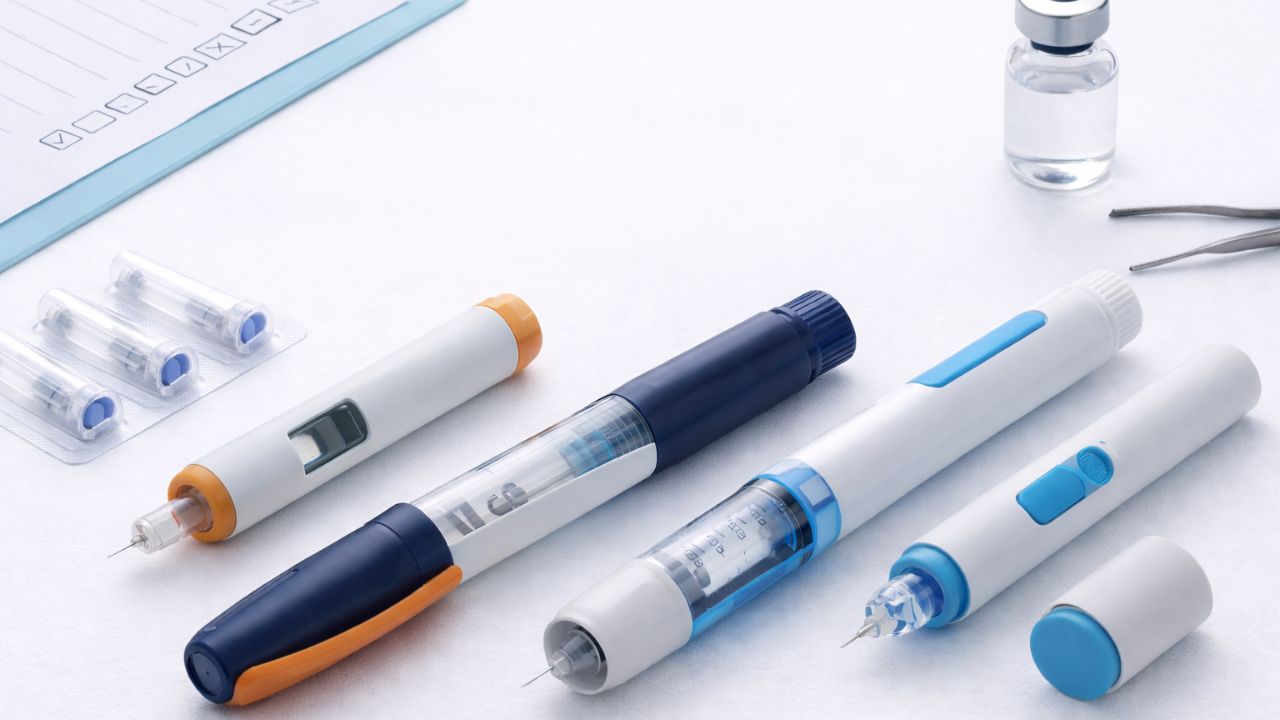
The Injectable Drug-Device Combination market holds a significant and growing presence within the European medical device landscape, driven by high expectations for quality, safety, and performance. When designing a pen injector intended for use in the European Union, adherence to a rigorous and complex regulatory framework is not optional, it is a fundamental requirement.
From compliance with the Medical Device Regulation (EU) 2017/745 (MDR) to alignment with applicable ISO standards and user-centred design principles, the development of a compliant injector pen demands strategic planning, robust design controls, comprehensive testing, and thorough documentation. Each stage of development must demonstrate not only regulatory compliance but also a clear focus on patient safety and usability.
This guide provides a comprehensive overview of how to design an injector pen that not only meets but exceeds EU quality expectations. By addressing regulatory requirements, technical standards, and human-factors considerations. It aims to support manufacturers in achieving regulatory approval while delivering safe, effective, and patient-centric solutions.
Understanding EU Regulatory Requirements for Injectable Devices
Before developing an initial prototype, it is essential to understand the regulatory framework governing medical devices in the European Union. The Medical Device Regulation (EU) 2017/745 (MDR), which replaced the Medical Device Directive (MDD) in May 2021, has significantly raised the expectations placed on device manufacturers, particularly in terms of clinical evidence, traceability, and post-market surveillance.
Pen Injectors intended for the EU market are typically classified as Class IIa or Class IIb devices, depending on factors such as the duration of use, the method of drug delivery, and whether the device incorporates or administers a medicinal substance. This classification directly determines the applicable conformity assessment route and the extent of regulatory scrutiny the device will undergo during the approval process.
A clear understanding of these regulatory requirements at an early stage is critical, as it directly influences design decisions, testing strategies, documentation depth, and overall development timelines.
Some of the key regulatory points under the EU MDR include the following:
Preparation of comprehensive technical documentation demonstrating device safety and performance. Submission of clinical evidence, including Clinical Evaluation Reports (CERs) or equivalent data from comparable devices.
Implementation of robust post-market surveillance (PMS) and Materiovigilance systems.
Establishment and maintenance of a Quality Management System (QMS) compliant with ISO 13485.
Implementing Design Controls from the Start
Medical devices are developed and maintained through a structured system of design controls. These controls ensure that an injector pens consistently meets user needs while remaining safe and effective throughout its entire lifecycle.
A robust design control process typically includes the following phases:
Design Planning
Establish the overall development plan, including timelines, resource allocation, roles and responsibilities, and risk management strategy. All activities should be thoroughly documented, as EU regulatory authorities expect full traceability from initial concept through Commercialization.
Design Inputs
Define primary function and document user needs, regulatory requirements, and performance specifications. For an injector pen, this includes dose accuracy requirements, needle specifications, ergonomic considerations, and user handling requirements, particularly for patient self-administration.
Design Outputs
Translate design inputs into detailed and measurable outputs such as engineering specifications, drawings, software requirements, and manufacturing processes. Design outputs must be clearly defined, verifiable, and demonstrably aligned with all approved design inputs.
Design Verification
Confirm that the design outputs meet the defined design input requirements. This phase typically includes bench testing, simulations, and usability evaluations. For self- administration devices such as pen injectors, human factors and simulated-use testing play a critical role.
Design Validation
Demonstrate that the final device meets the needs of the intended users and intended use under actual or simulated use conditions. Validation activities confirm that the device performs safely and effectively in real-world scenarios and supports regulatory approval.
Conducting Thorough Risk Management
Risk management is not a one-time activity or a regulatory checkbox, it is a continuous process that spans the entire lifecycle of a medical device. In the European Union, medical device risk management is governed by ISO 14971, which establishes a structured approach for identifying, evaluating, controlling, mitigating and monitoring risks.
Designing Pen Injectors to Meet EU Quality Requirements
A comprehensive risk management file for a pen Injectors should address, at a minimum, the following risk categories:
- Use errors and reasonably foreseeable misuse scenarios
- Mechanical malfunctions, component failure, and wear over time
- Dose delivery inaccuracies and dosing variability
- Needle-stick injuries and accidental needle exposure
- Drug–device compatibility and material interaction risks
- Environmental factors that may affect device performance, such as temperature,
- humidity, or handling conditions
Early in development, manufacturers should apply structured risk analysis tools such as Failure Mode and Effects Analysis (FMEA). FMEA provides a systematic method for identifying potential failure modes, their causes, and their effects before they lead to costly design changes or patient safety issues. For injectable devices in particular, special attention should be given to risks associated with needle exposure, incorrect dosing, and device failure during critical medication administration.
Risk control measures must be clearly defined, implemented, and documented. Where risks cannot be eliminated or sufficiently reduced through design or protective measures, appropriate warnings, instructions, and labelling must be used to inform users and support safe use. All risk mitigation strategies should be traceable and supported by verification and validation evidence in accordance with EU MDR requirements.
Prioritizing Human Factors and Usability Engineering
A technically sound injector pen cannot be considered effective if patients are unable to operate it correctly and safely. Human factors and usability engineering play a critical role in ensuring that medical devices are designed to accommodate the capabilities, limitations, and real-world behaviours of their intended users. In the EU, usability engineering for medical devices are governed by IEC 62366-1.
The process begins with clearly defining user profiles, which may include:
- Patients with varying levels of manual dexterity
- Different age groups, from paediatric to geriatric users
- Users with visual impairments or other sensory limitations
- First-time users as well as experienced users
- Healthcare professionals operating the device in clinical settings
Formative usability studies should be integrated early and throughout the development process. These iterative evaluations allow manufacturers to observe how representative users interact with the device, identify areas of confusion or misuse, and refine the design before finalization. The goal is to uncover potential use-related risks early, rather than at the end of development.
For pen injectors, particular attention should be given to the following critical use scenarios:
- Dose selection and dose verification
- Removal of the pen cap and attachment or removal of needles
- Injection site preparation and correct device positioning
- Dose administration and confirmation of complete delivery
- Safe needle removal and disposal procedures
Selecting Materials and Ensuring Biocompatibility
Material selection plays a critical role in both the performance and safety of injector pens.
All device components must be capable of withstanding mechanical stresses during use while maintaining compatibility with the drug formulation and safe interaction with human tissue.
Biocompatibility assessment for medical devices in the EU is guided by the ISO 10993 series of standards. The specific tests required depend on the nature and duration of patient contact, but commonly include:
- Cytotoxicity testing
- Sensitization studies
- Irritation and intracutaneously reactivity
- Acute systemic toxicity
- Sub-chronic and chronic toxicity assessments for prolonged contact
In addition to biocompatibility, drug–device compatibility testing is essential to ensure that device materials do not adversely interact with the medicinal product. Such interactions may lead to drug degradation, leachable or extractables, or adsorption that could compromise therapeutic efficacy. Compatibility studies should be conducted using the actual drug formulation under representative storage conditions and over the intended shelf life.
Environmental factors must also be considered during material selection and testing. Pen Injectors should maintain functional performance across expected temperature ranges, humidity levels, and potential exposure to light, as well as withstand mechanical stresses encountered during transportation, handling, and storage.
Establishing Robust Manufacturing Processes
Transitioning from prototype development to commercial production requires the implementation of validated and well-controlled manufacturing processes. A Quality Management System (QMS compliant with ISO 13485) is essential to demonstrate the consistent production of safe, effective, and high-quality Pen Injectors.
Key manufacturing considerations include:
Process Validation
Manufacturers must demonstrate that their manufacturing processes consistently produce devices that meet pre-defined specifications. This is achieved through formal process validation activities, including Installation Qualification (IQ), Operational Qualification (OQ), and Performance Qualification (PQ).
Supplier Management
Critical components must be sourced from qualified and controlled suppliers. The reliability and performance of a pen injectors depends on consistent quality inputs from suppliers such as needle manufacturers, spring suppliers, and plastic molding partners. Supplier qualification, auditing, and ongoing performance monitoring are essential.
In-Process Controls
To detect defects early and maintain product quality, in-process inspection points should be established throughout manufacturing. These may include dimensional checks, cosmetic inspections, and verification of correct assembly, often supported by automated inspection systems where appropriate.
Sterilization Validation
If the pen injectors or its components require sterilization, the selected sterilization method, commonly ethylene oxide (EtO) or gamma irradiation must be validated. Validation should demonstrate effective sterilization without adversely affecting device functionality, material properties, or drug compatibility.
Preparing Comprehensive Technical Documentation
A complete technical documentation package serves as evidence that your pen injectors complies with EU regulatory requirements. This dossier should include:
- Detailed specifications and descriptions of the device
- Design and manufacturing information
- Risk management documentation
- Verification and validation reports
- Clinical Evaluation Report (CER)
- Labeling and Instructions for Use (IFU)
- Post-Market Surveillance (PMS) plan
Special emphasis is placed on clinical evaluation. Manufacturers must demonstrate clinical safety and performance either through their own clinical investigations or by providing evidence from legally marketed, equivalent devices with sufficient clinical history.
IFU (Instructions for use) must be clear, concise, and understandable for the intended users. They should be provided in all languages of the countries where the device will be marketed. Visual aids, troubleshooting guidance, and explanations of potential risks should be included to support safe and effective device use.
Implementing Post-Market Surveillance
Under EU regulations, manufacturers are required to continuously monitor the performance and safety of their devices after commercialization. A robust Post-Market Surveillance (PMS) system actively collects and analyzes data from a variety of sources, including:
- Customer complaints and inquiries
- Field corrective actions and recalls
- Adverse event reports
- Competitor intelligence and literature reviews
- User feedback and satisfaction surveys
Clear procedures should be established for handling complaints, investigating incidents, and determining whether cases must be reported to competent authorities. The EU vigilance system mandates that serious incidents and associated corrective actions are reported within specified timelines to ensure patient safety.
Periodic Safety Update Reports (PSURs) summarize PMS data at defined intervals, highlighting continued device safety and identifying any emerging risks that may require mitigation. This ongoing process ensures that pen injectors remain safe, effective, and compliant throughout their lifecycle.
Conclusion
Developing a pen injector that meets EU quality and regulatory expectations requires expertise across regulatory affairs, engineering, quality assurance, and clinical sciences.
Success in this market goes beyond simply ticking compliance checkboxes, it demands the creation of a device that is truly safe, effective, and patient-centric. Ensuring robust design controls, conducting comprehensive usability testing, and implementing a thorough post-market surveillance system collectively result in pen injectors capable of meeting even the most stringent EU standards.
Partnering with professionals who are well-versed in the complexities of the EU regulatory landscape is critical. 3i Concept Medical Device Solutions specializes in guiding manufacturers through these challenges, helping ensure that pen injectors are not only compliant but also commercially successful.
If you’re planning to bring your injectable device to the European market, 3i Concept Medical Device Solutions is your partner from day one. We build strong design controls, put patient safety at the core, and embed quality across every phase of development, so your innovation meets EU expectations and earns patient trust.