
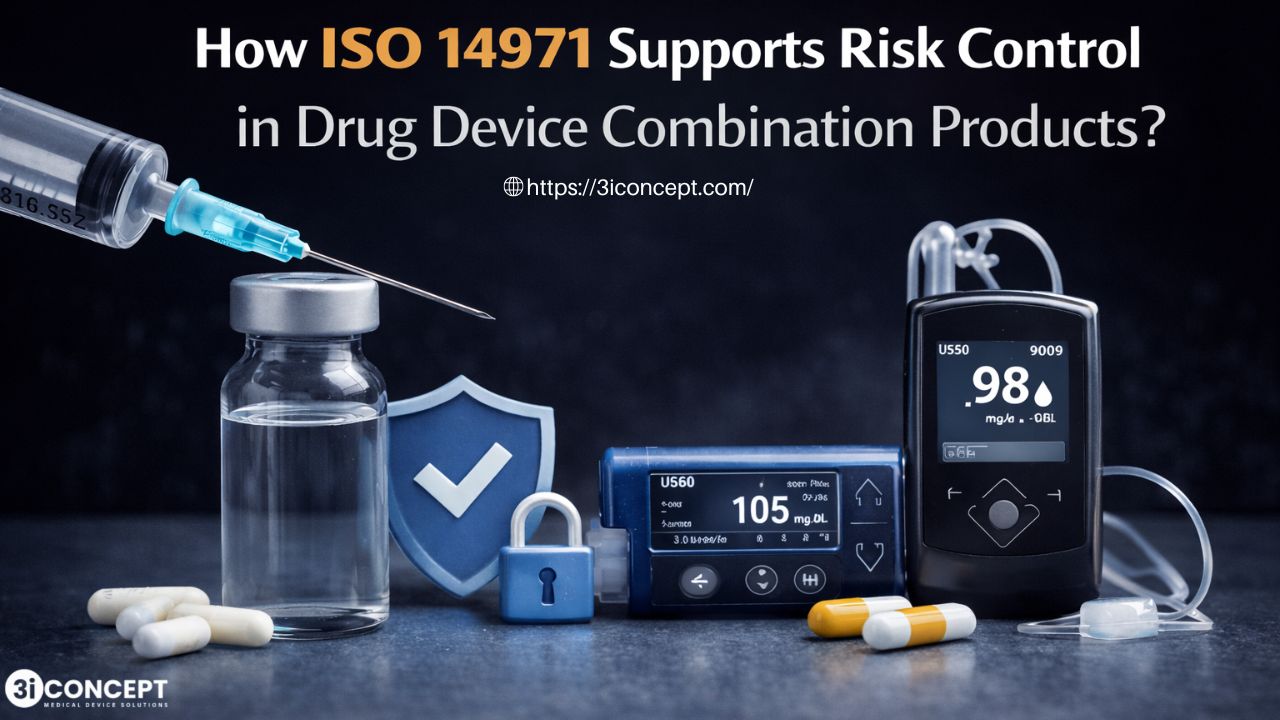
Drug device combination products keep growing within Europe healthcare systems. These are integrated therapeutic products that contain a pharmaceutical substance and a medical device. They’re found in lots of everyday therapies, including prefilled syringes, auto injectors, pen injectors, inhalers and drug-eluting implants.
They aid in accurate and convenient delivery of medication. Even so, building and approving these products is more complicated than most people understand. The drug component carries chemical and formulation risks. The device also introduces mechanical and usability issues. They open up new safety questions when the two parts interact.
This is why structured risk management systems play a key role in development of DDCPss. Regulatory authorities require manufacturers to adhere to international standards of safety frameworks. An example of one of those widely used standards is ISO 14971, a standard to help all companies identify hazards, assess risk and control potential safety issues over the entire product lifecycle.
Developing & applying a structured risk management approach for companies intending to launch combination products in regulated markets and row markets promotes compliance and safeguards patient safety. It also increases product reliability and builds clinician and healthcare provider trust.
Why Risk Control Matters in Drug Device Combination Products?
Combination products contain two regulated components working together. Each one carries its own set of safety considerations.
Drug-related risks often involve:
- Dosage accuracy
- Chemical stability of the formulation
- Interaction with container or delivery materials
- Sensitivity to temperature or storage conditions
Device-related risks look different. They often involve mechanical or usability factors such as:
- Mechanical failure or component breakage
- Incorrect dose delivery
- usability challenges for patients
- wear or degradation of device components over time
When these two components come together, additional hazards sometimes emerge. For example:
- Drug degradation caused by interaction with device materials
- Incorrect dose delivery due to mechanical malfunction
- user errors during injection or inhalation
- contamination during device assembly
The absence of a formal evaluation process can lead to these problems going undetected stages of development or, in the worst case, during clinical use.
Risk control gives manufacturers near real-time visuals of potential problems. Then teams assess each hazard for severity and likelihood. Engineers then recommend design changes, protective devices or labeling updates to reduce those hazards.
To put it another way, sharp risk control is a win for patients and also enables clearer sailing through the review process.
ISO 14971: The Key to a Successful Medical Device Risk Management Process
Structured frameworks for safety-related product development span the global medical device industry. One widely used framework is ISO 14971, a risk management standard that describes a life cycle process for recognizing and controlling hazards.
This methodology breaks risk management down into multiple critical steps:
- Risk analysis
- Risk evaluation
- Risk control
- Residual risk assessment
- Post-market monitoring
For combination products, this process becomes particularly valuable. Teams must evaluate risks related to the drug, the device, and the interaction between the two.
Risk analysis is typically conducted early in the product’s design. Engineers also search for potential hazards connected to materials, device usability, steps in manufacturing and actual clinical use.
After identifying hazards, teams evaluate the potential severity and frequency of each risk. If the risk level seems high, developers put controls in place before running the product.
This decision structure allows for uniformity among your development teams. Manufacturers will be expected to demonstrate documented evidence of risk identification and mitigation during product submission based on expectations from European regulatory authorities.
Key Risk Sources in Drug Device Combination Products
The introduction of combination therapies also has different safety considerations, as more than one technology is active in the same product. A few typical sources of risk emerge throughout the development process.
Drug formulation risks
Even drug stability depends on environmental factors such as light, heat, and moisture. Stability also depends on compatibility with storage materials, including polymeric materials and other excipients. Plastic reservoirs or silicone lubricants influence pharmaceutical ingredients because device components or materials interact with the drug. In medical device and combination product development, teams address these risks through ISO 14971 risk management to evaluate material compatibility, environmental exposure, and potential product degradation.
Risk evaluation typically focuses on:
- Chemical compatibility between drug and materials
- Drug degradation during storage
- extractables and leachables from device components
Treatment response is directly dependent on device performance. The patient may receive the wrong dose if a delivery system malfunctions.
Mechanical performance risks
Device performance directly influences treatment effectiveness. If a delivery system fails, the patient may receive an incorrect dose.
Typical concerns include:
- incomplete dose delivery
- device jamming during injection
- inconsistent spray performance in inhalers
- failure of needle or spring mechanisms
Engineers address these issues through mechanical testing, durability studies, and repeated reliability trials.
Human factors and usability risks
When it comes to drug device combination products, many are intended for self-administration. They are often used at home by patients without follow-up or medical supervision.
Because of this, usability becomes critical. Possible risks include:
- incorrect injection angle
- difficulty activating the device
- misunderstanding instructions
- accidental needle injury
Human factors engineering deals with user interaction with the product itself. Ergonomics, guidance, and visual clues are tuned to allow patients to safely utilize the device.
Risk Control Strategies During Product Development
Once identified, development teams start putting appropriate risk control measures in place for high-hazard scenarios. These strategies help to lower or remove the opportunity for injury.
1. Design modifications
Engineers often refine device architecture to improve safety and reliability. Examples include:
- automatic needle shielding systems
- dose lock mechanisms preventing repeat injections
- visual indicators confirming successful dose delivery Small design changes sometimes prevent major safety issues.
2. Protective safety features
Many devices include built-in protective mechanisms. Examples include:
- pressure release systems in inhalers
- locking features preventing device reuse
- automatic needle retraction after injection
These safety features help protect both patients and healthcare professionals.
3. Material selection
Material compatibility plays a major role in drug stability and product reliability. Risk control frequently involves:
- selecting chemically inert polymers
- minimizing extractables from elastomer components
- improving internal coating systems within containers
Drug quality is maintained during the course of storage and use through extensive material testing.
4. Clear labeling and instructions
Some risks appear simply because users misunderstand how the device works. Clear instructions reduce these problems.
Manufacturers often provide:
- illustrated usage guides
- visible dose indicators
- warning statements for improper handling
When instructions are simple and intuitive, patient safety improves.
Risk Management Documentation for European Regulatory Approval
In Europe, regulatory bodies are expecting structured risk management processes to be documented in detail.
During submissions, manufacturers typically include:
- a risk management plan
- hazard identification reports
- risk evaluation matrices
- verification of implemented control measures
- residual risk assessments
Regulators also want traceability from identified hazards back to the safety measures applied to control that hazard.
This is often supported by product testing activities. Such evaluations will draw from mechanical testing, usability studies and stability testing.
Well-organized risk management documentation increases regulatory confidence and often accelerates the approval process.
Lifecycle Risk Monitoring After Market Launch
But risk management does not end when a product enters the market. It also involves health monitoring throughout a product lifecycle.
Manufacturers gather real-world performance data through several channels:
- complaint tracking systems
- adverse event reporting
- product performance monitoring
- periodic safety reviews
This data sometimes exposes new risks that did not come to light during development. The manufacturers revise the risk management documentation for any new issues and execute mitigative actions accordingly. Ongoing surveillance means products can be safe long after initial approval.
Conclusion
Drug device combination products provide significant therapeutic value to European patients. But drug formulations packaged together with delivery devices pose tricky safety challenges.
Risk management is a structured approach to identifying hazards early, assessing the possible consequences and employing appropriate controls throughout a risk lifecycle. The standard ISO 14971, which is recognized globally highlights a clear path by addressing these risks in the course of product design, production and post-market aspects.
When manufacturers engage in a robust risk management process, product safety is enhanced, regulatory readiness is bolstered, and the trust of healthcare professionals and patients alike is maintained.
In such scenarios, organizations Board-certified in regulatory strategy management regarding combination products often work with specialized partners to ensure compliance. That is why 3iconcept Medical Device Solutions offers professional advice to help manufacturers develop structured risk management usage, leading up to the demands of European regulators.